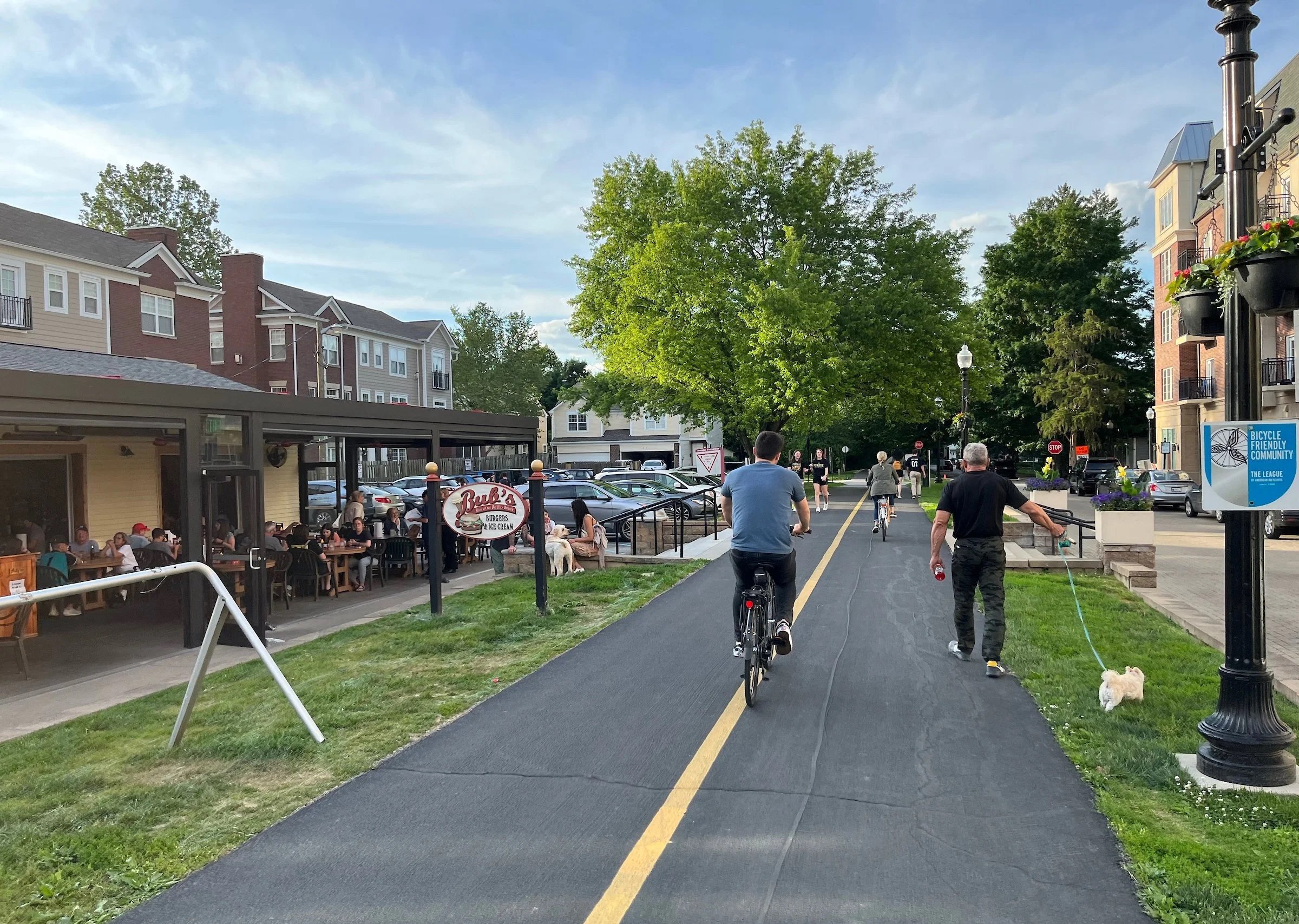
Everyone should have the freedom to decide how they will make their next trip, whether by walking, biking, using a mobility device, taking public transit, or driving.
Everyone should be safe on the road no matter which transportation option they choose.
Now more than ever it’s critical to preserve transportation options for Americans that offer ways to keep America active, moving, and healthy.
That’s why more than 1,000 non-profit organizations, businesses, and elected officials are telling Congress: walking and biking infrastructure is essential transportation infrastructure.
Americans Deserve Transportation Options
WHAT’S AT STAKE
For more than 20 years, states and communities have responded to the demands of their residents and built incredible walking and biking infrastructure thanks to federal investments through the Transportation Alternatives program.
Transportation Alternatives has been the cornerstone on which trails networks, connected bikeways, accessible sidewalks, and so much more of what keeps Americans moving.
Eliminating any funding for biking and walking infrastructure would undercut the significant progress states, cities, and towns have made – and would obstruct further improvements to American’s transportation options.
Twenty people die while walking every single day in this country. Now is not the time to eliminate federal funding for trails, walking and biking.
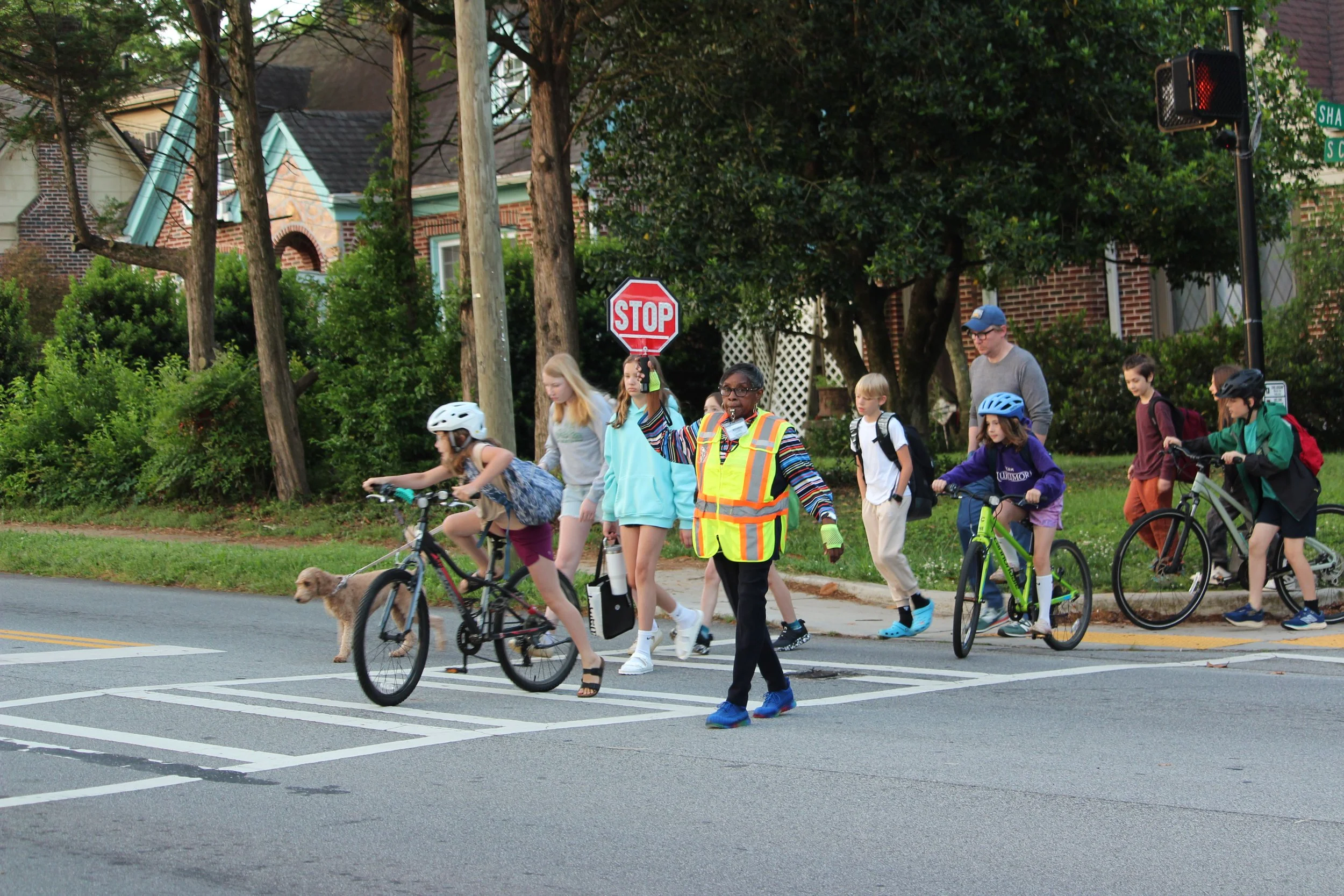
What Americans deserve from a transportation system
Safety for everyone, no matter how they travel
Americans deserve a transportation system that protects people walking and biking, not just people in cars. With vulnerable road users making up over 20% of traffic deaths, the system should prioritize proven safety investments, especially on federal-aid roads where most fatalities occur.
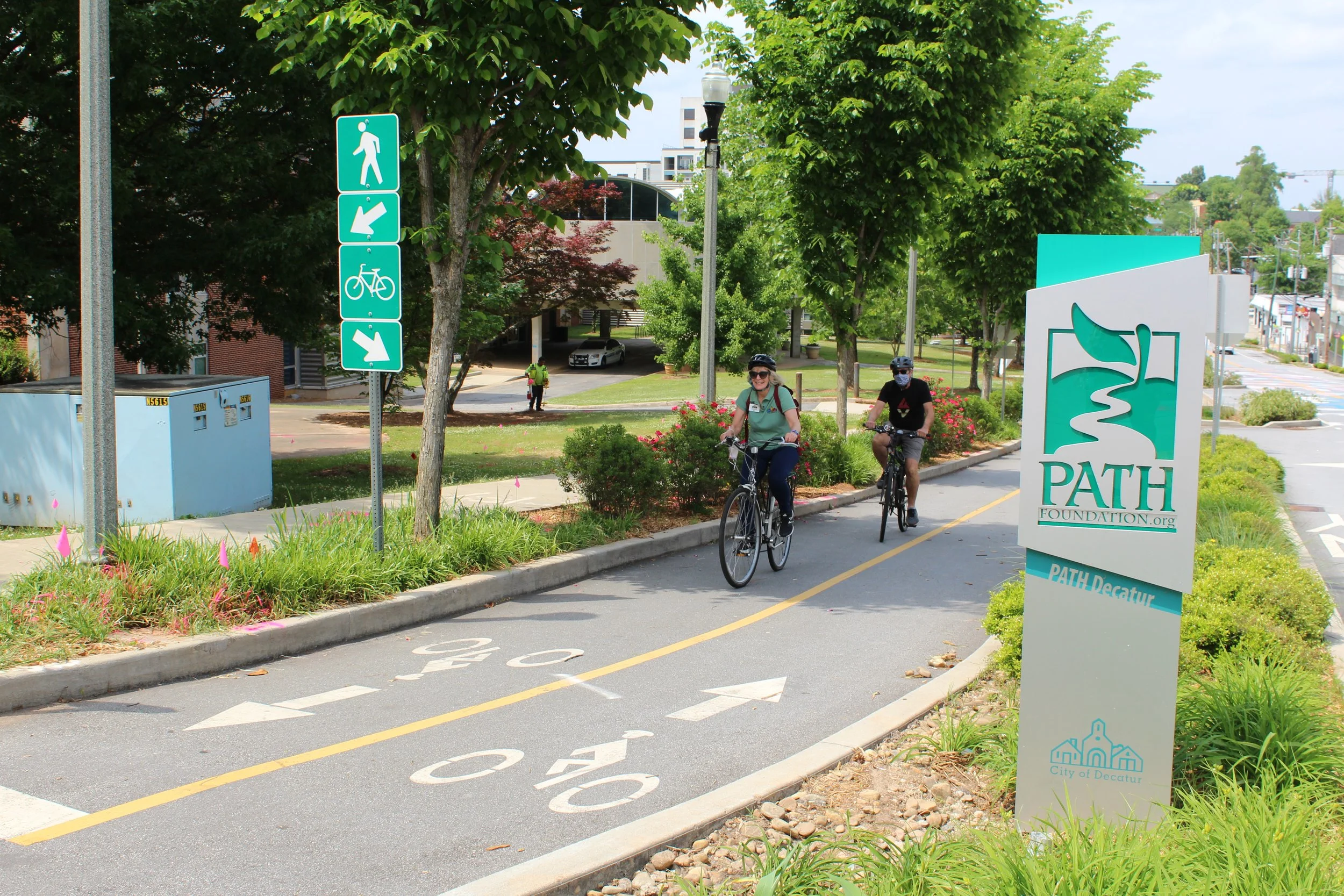
Real choices and connected mobility in every community
Americans deserve the freedom to safely walk, bike, or roll to jobs, schools, services, and downtowns whether they live in rural towns, suburbs, or cities. That means continuous sidewalks, bike lanes, and trail networks that actually connect people to where they need to go.

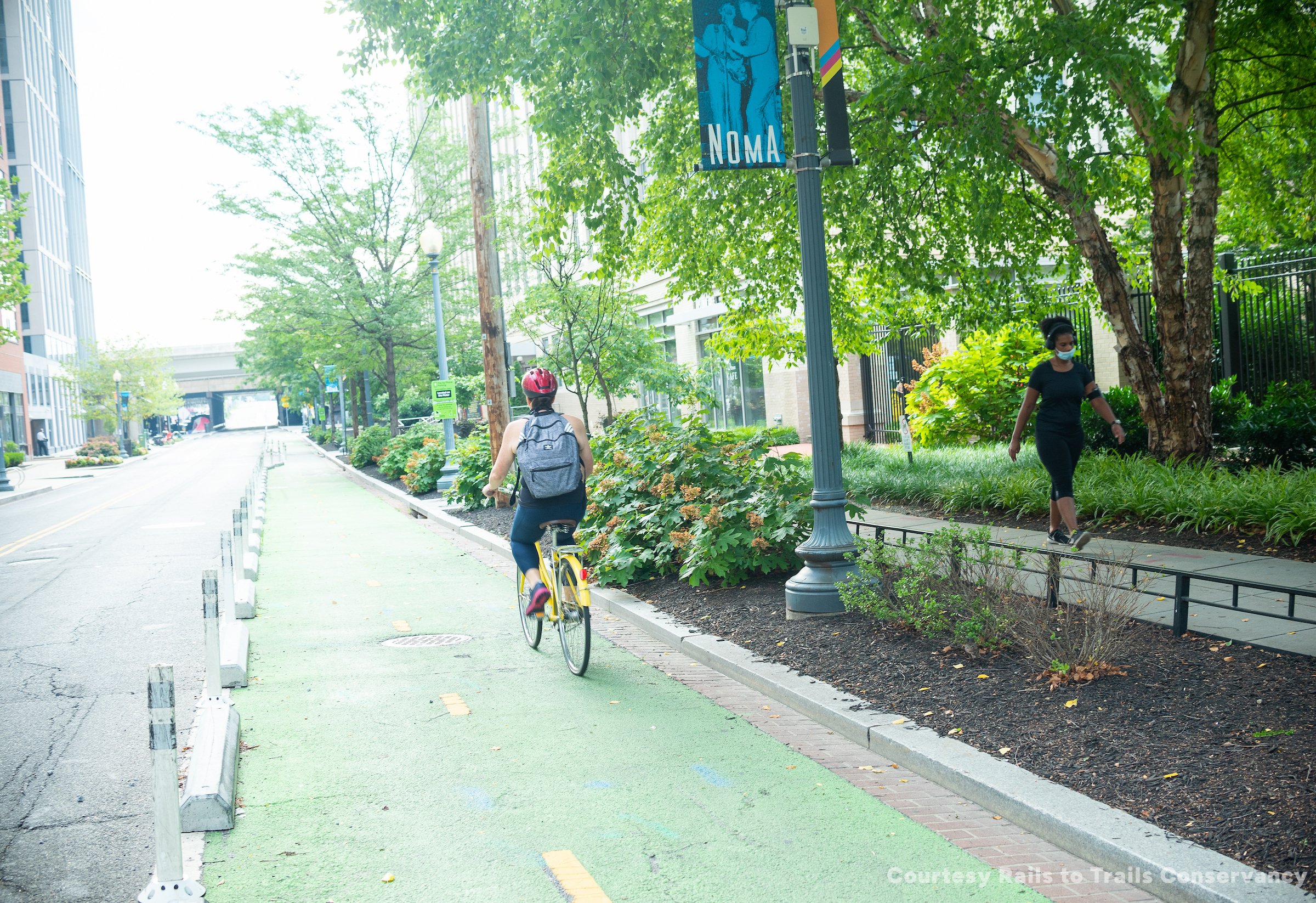
Investments that strengthen communities and the economy
Americans deserve a transportation system that delivers strong returns: good jobs, healthier communities, lower healthcare costs, and efficient use of taxpayer dollars. Investing in active transportation, especially through programs like Transportation Alternatives, does all of that while giving states and local communities flexibility to meet their needs.
We’re asking Congress:
keep Americans active, Safe, and moving by investing in communities
OUR LETTER TO CONGRESS
Dear Chairmen Capito and Graves and Ranking Members Whitehouse and Larsen:
We, the undersigned organizations, write to ask that you maintain and enhance robust investments and safety provisions for bicycling and walking infrastructure in the forthcoming transportation reauthorization bill. This should include a fortified Transportation Alternatives (TA) program as well as the continuation and enhancement of programs and policies meant to increase multimodal access and ensure safety for people outside of cars.
Investment in active transportation infrastructure—such as sidewalks, bike lanes and trail networks—increases mobility choices; improves safety; creates strong, connected communities; provides economic opportunities and job creation; and saves money from health benefits and low-cost travel. Rural, suburban and urban communities alike seek the transformative benefits of these investments. Small towns often desire to enliven their downtowns or attract tourists, while urban areas need safe routes to jobs and essential services for residents, many of whom do not drive, as well as affordable strategies to reduce traffic congestion.
Americans want the federal government to invest in more bicycling and walking infrastructure. In a 2024 Ipsos poll[1], 76% of respondents agreed with the statement “My community would be a better place to live if bicycling were safer and more comfortable,” including 73% of Republicans, 82% of Democrats and 74% of Independents. Americans also support federal funding for projects that enable biking and walking. Eighty-nine percent of Americans surveyed said the amount of federal funding for biking and walking should be increased or stay the same, and this support held along political party affiliations, with 90% of Republicans saying it should increase or stay the same.
TA is the nation’s oldest and largest source of dedicated funding for trails and active transportation and is the backbone of federal funding for this essential infrastructure. Since 1991, TA has obligated $17 billion, reaching every state and thousands of local communities that have relied on this vital program to build infrastructure necessary to make it safer and easier for Americans to walk, bike and be active outdoors. The commitment of dedicated TA program funds has been supported by bipartisan Congressional majorities for over 30 years because of the demand for this infrastructure and the efficiency of the funding structure. Due in large part to this dedicated funding, the United States now boasts more than 42,500 miles of multiuse trails and thousands of improved street facilities for walking and bicycling. Communities are choosing to invest in active transportation to realize economic, safety and quality-of-life goals. Their reliance upon a federal partnership—through this dedicated program—to achieve this purpose has served them and America well.
Despite this progress and the renewed level of TA funding provided by the Infrastructure Investment and Jobs Act (IIJA), available TA funding is not keeping up with demand, further evidence of American’s desire for safe, connected places to walk and bike. Grant applications total roughly four times the amount of allocated TA funds.
Infrastructure that supports people walking, bicycling and being active outside is essential to a safe, affordable and economically productive transportation system. TA is effectively delivering these benefits now, and we are counting on Congress to protect this fundamental federal investment. Congress also has an opportunity to sharpen TA policy to further increase impact by easing local match requirements, providing transparency to ensure funds are used as Congress intended, and encouraging focus on strategic investments in connectivity. This dedicated program must be preserved and strengthened, and we urge you to grow funding alongside policy improvements that will maximize the impact of this program in the upcoming surface transportation reauthorization.
However, TA is not enough to deliver a safe, connected active-transportation system on its own. Addressing bicycling and walking safety is critical to meet our country’s goals. People biking and walking account for over 20% of the more than 40,000 people killed on our roadways each year, and more than 80% of those vulnerable user fatalities occur on federal aid roadways. Twenty people die while walking in America every day. It is clear that there is a direct ‘federal interest’ in active-transportation infrastructure investments. We ask that you maintain and improve the safety provisions started in the IIJA that specifically focus on vulnerable road-user safety.
Finally, we ask that you maintain broad eligibility for bicycling and walking in core formula programs and discretionary grant programs. Removing active transportation from eligibility for core federal transportation programs would undermine the ability of states and regions to fund the modes that best meet their needs and directly harm the millions of Americans who rely on this infrastructure. States and regions should continue to have discretion to fund a multimodal balance of assets; therefore, Congress should maintain broad eligibility for biking and walking infrastructure. Further, when eligibility is limited, state and local Departments of Transportation (DOTs) may be forced to do fragmented work, increasing the administrative burden on local governments and undermining investments in safe, connected active transportation infrastructure. For instance, FHWA has found that building a bike lane during a road repaving project can save up to 60% of the cost of that bike lane. Maintaining broad eligibility allows a DOT to complete these two projects efficiently, avoiding different reporting structures, costs, delays and red tape. We support expediting project delivery, ensuring efficient use of tax-payer dollars, and maximizing federal investments by maintaining state and local flexibility to do multimodal projects that benefit their communities, whether rural main streets or safer suburban intersections.
States and local governments invest in active transportation projects for many reasons, from reducing congestion to improving safety to creating new transportation options. Federal investments in TA and other active transportation programs not only help meet those transportation needs, they lead to improved economic outcomes. A 2019 study2found that active transportation infrastructure contributes more than $34.1 billion annually to the U.S. economy, an amount that could grow to $138.5 billion annually with improved connectivity. Additional studies have found that active transportation infrastructure makes the greatest contributions to direct construction job creation among transportation investments and that federal investment in active transportation helps the government to contain rising healthcare costs and improve the efficiency and safety of the roadway system for everyone, including motorized users.[3]
We urge you to preserve the TA program, as well as the safety provisions for vulnerable road users and broad eligibility across programs meant to give states and communities the ability to build multimodal projects in a cost-effective and efficient manner.
Thank you for your consideration. We look forward to working with you on a successful reauthorization bill.
Sincerely,
Cc: Members of Congress
[1] Public Poll Findings and Methodology. IPSOS September 23, 2024.
[2] Active Transportation Transforms America: The Case for Increased Public Investment in Walking and Biking Connectivity. Rails to Trails Conservancy 2019.
[3] Incorporating On-Road Bicycle Networks into Resurfacing Projects. Federal Highway Administration.
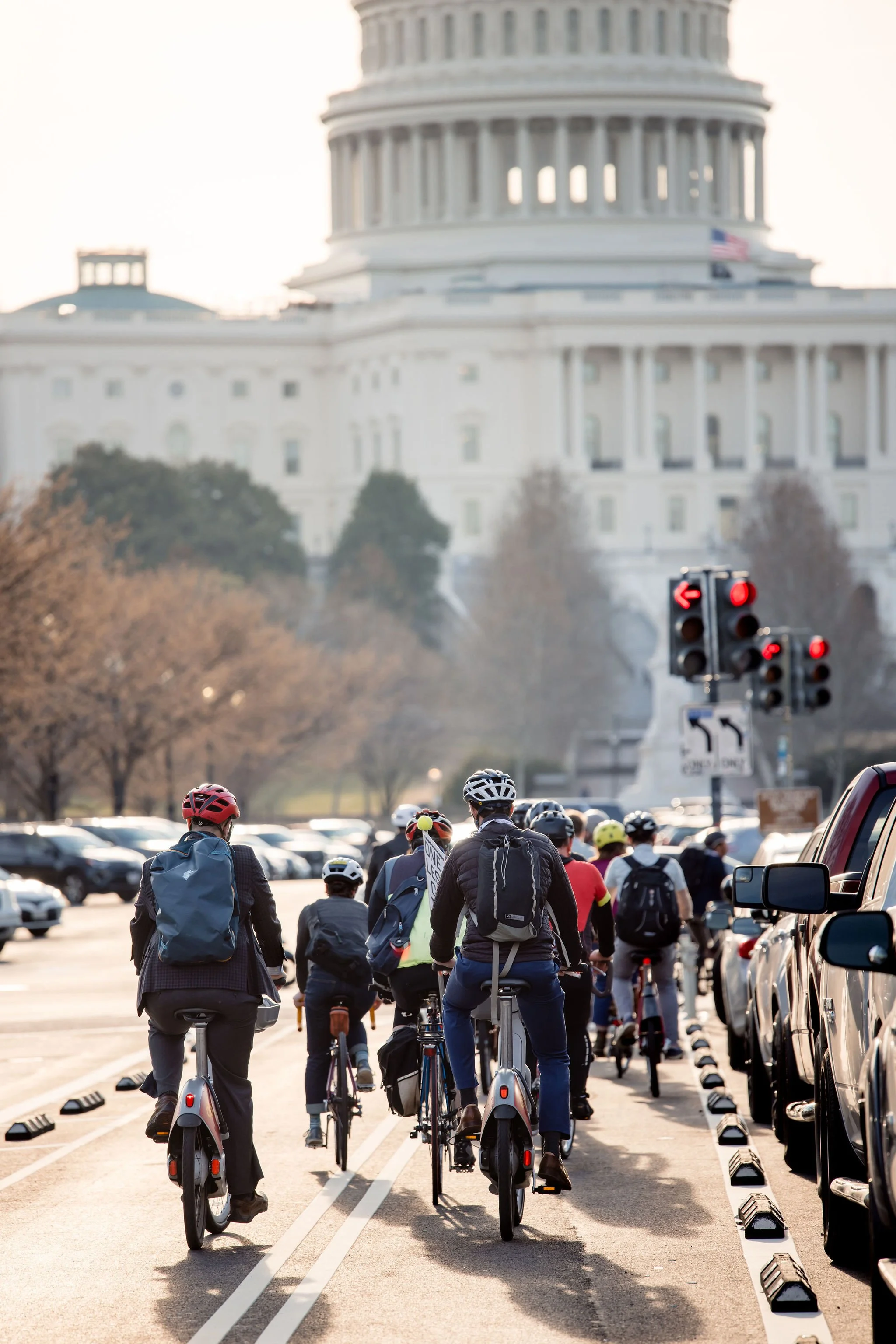
What you can do
Contact your Members
Now lawmakers need to hear directly from you.
Congress is deciding the future of our transportation system right now. Tell your members of Congress to protect funding for biking and walking, strengthen safety for people outside of cars, and support a transportation system that works for everyone.

Led by A collaboration of National partners
“Great trails do more than provide a view; they provide a way of life. These aren't just scenic routes—they are vital transportation arteries that connect our daily lives, from the morning commute to daily routines that keep families and communities connected. Congress must now double down on this proven success to keep our communities moving.”
Heather Klein Olson, Executive Director

“For decades, programs like Transportation Alternatives have helped communities in every state, plus D.C. and Puerto Rico, build and maintain safe, accessible trail networks and active transportation routes that people rely on every day… American Trails stands with more than a thousand organizations nationwide in calling on Congress to keep America active, safe and connected.”
Mike Passo, Executive Director

“It is critical these investments continue, rather than stall progress communities have been making for decades. When we build bicycle-friendly communities, we make life better for every resident and Congress should support funding that improves lives, expands transportation options, and reduces the dangers faced by people walking and biking on our roads.”
Bill Nesper, Executive Director

“For decades, federal programs such as the longstanding Transportation Alternatives program have been vital for communities to build more active transportation projects. The U.S. bicycle industry joins our partners in calling on Congress to support these critical federal programs that keep our nation active.”
Chris Bell, Director of Federal Policy

“When we invest in connecting active transportation routes, we invest in robust regional economies and job growth, increased mobility, and new opportunities for businesses and residents. The active transportation economy delivers more than $34 billion annually–a return on investment each year that dwarfs total funding provided over 34 years of the Transportation Alternatives program alone.”
Ryan Chao, President
“Every day, Safe Routes Partnership sees how sidewalks, crossings and bike paths, especially around schools, improve life for children and families. Federal investments in walking and biking infrastructure are foundational to kids’ health, safety and opportunity. We urge Congress to protect and strengthen these investments in the next transportation bill.”
Marisa Jones, Managing Director
Is your organization or municipality interested in further supporting this call to Congress? Please share your interest using this form.
Who we are
This letter’s signatories number over 1,100. Among us, we are non-profit organizations, businesses, corporations and elected officials representing millions of constituents and a broad cross-section of American priorities: from manufacturing to agriculture, healthcare, economic development, tourism and retail.
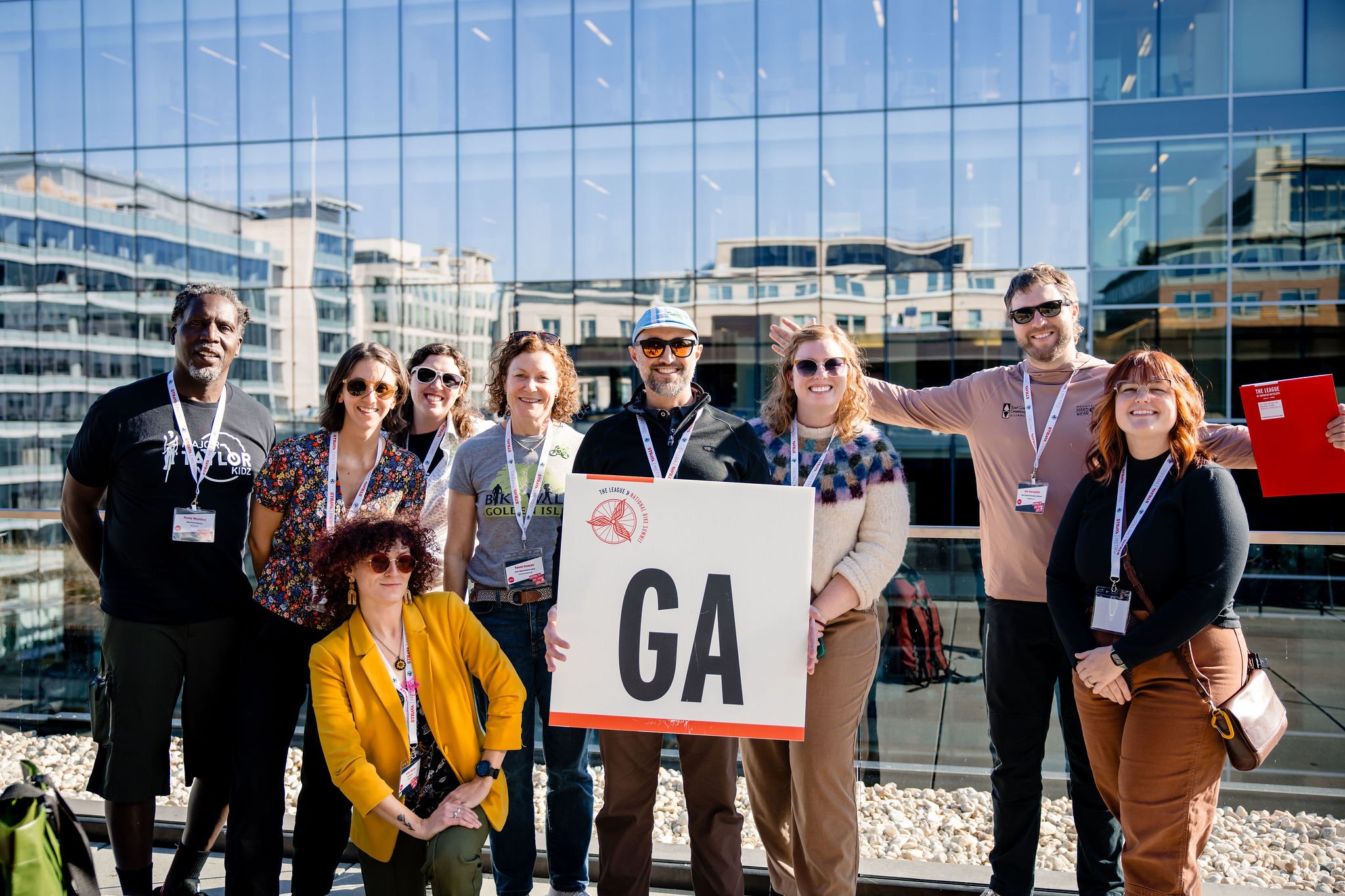
We have have joined the country’s leading trails,
walking and biking advocacy organizations to ensure
that Congress hears the message loud and clear:
walking and biking infrastructure is essential.
Contact us / Press
Media inquiries and questions will be reviewed by a team representing the six national partner organizations.